Essential Tools and Approaches for Efficient Lead Violation Clean-up
Addressing lead offenses effectively requires an extensive approach that blends the right tools with calculated techniques. The primary step entails outfitting employees with Personal Safety Equipment (PPE) to safeguard their health. Simultaneously, using specialized clean-up tools, such as HEPA vacuum cleaners and lead-specific cleaner, is vital for comprehensive impurity removal. Reliable containment methods, including plastic sheeting and adverse atmospheric pressure systems, are necessary to stop the spread of dangerous products. Risk-free disposal practices and rigorous adherence to regulatory standards ensure accountable handling of poisonous waste. However what are the nuanced techniques that truly make a difference?
Individual Protective Devices
Individual protective equipment (PPE) is an essential part in the effective management of lead contamination cleaning. The important PPE for lead cleaning consists of respirators, protective clothes, handwear covers, and eye security.
Respirators, particularly those equipped with HEPA filters, are vital for filtering air-borne lead fragments, stopping inhalation. Protective clothing, including coveralls and non reusable fits, prevents lead dirt from sticking to workers' garments, minimizing the risk of secondary contamination.
Moreover, extensive training on the appropriate usage and maintenance of PPE is necessary. Employees should be educated on wearing and doffing procedures to avoid contamination. Normal evaluations and replacements of PPE components are required to preserve their safety abilities, ensuring a risk-free and compliant cleaning operation.
Specialized Clean-up Tools
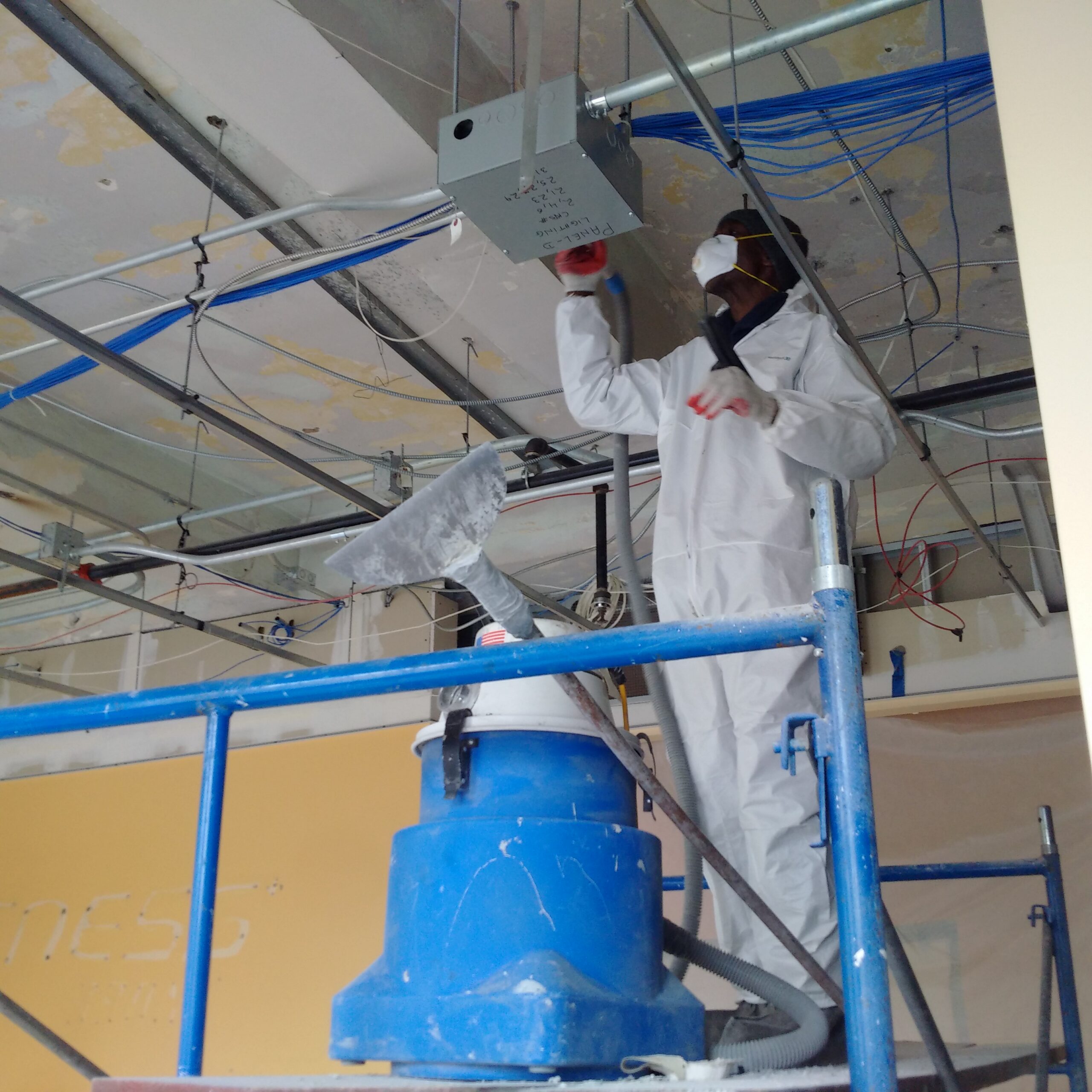
Another important device is the wet/dry vacuum, which can effectively cleanse up both dust and fluid pollutants. These vacuum cleaners frequently feature HEPA filters to supply an additional layer of safety. Damp wipes or tack cloths are also critical for surface cleaning; they are particularly designed to record and hold lead fragments, reducing the risk of spreading out contamination.
For more persistent deposits, specialized lead-removal cleaner are called for. These representatives are formulated to damage down lead particles, making them easier to eliminate. Scrub brushes with durable bristles can aid in this process, particularly on rough surfaces where lead dust often tends to stick more strongly.
Furthermore, encapsulants are utilized to seal lead-contaminated surfaces, preventing the launch of lead dirt. These specialized paints and coatings are designed to abide by various substratums, supplying a lasting service for lead control.
Reliable Control Approaches
Effective control approaches are important in mitigating the spread of lead contamination during cleaning activities. Implementing durable control techniques makes certain that lead bits do not move to untouched areas, therefore securing both workers and the environment. One key technique is making use of plastic sheeting to seal polluted zones. Heavy-duty polyethylene obstacles can be set up from floor to ceiling to develop a controlled workplace, dramatically minimizing the danger of air-borne lead dirt dispersal.
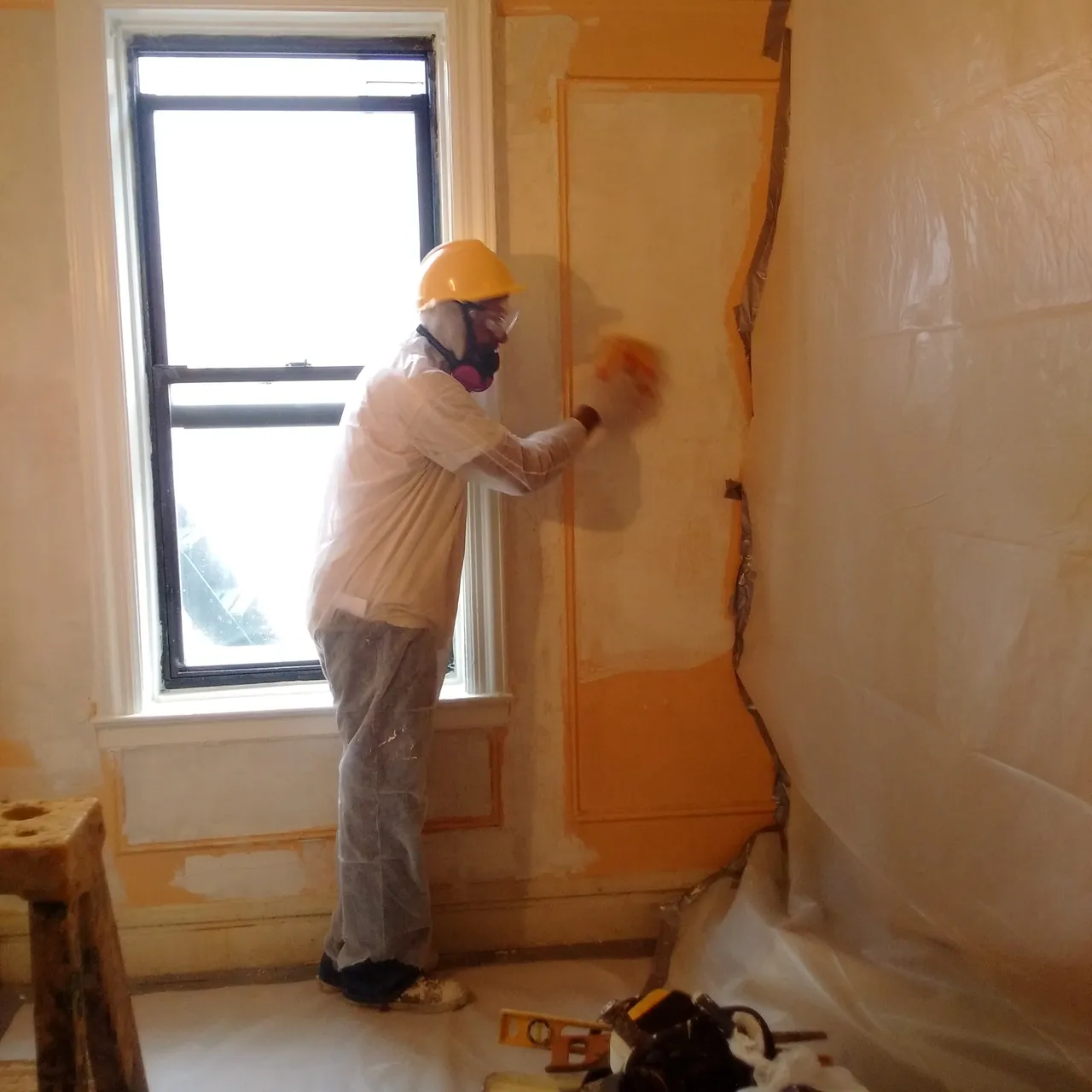
To improve control, encapsulants can be put on surface areas that are not being gotten rid of or disturbed. These specialized coverings bind lead dust, lowering its availability for resuspension. Furthermore, all workers must put on proper Personal Safety Tools (PPE), including respirators and disposable fits, to stop contamination spread.
Safe Disposal Practices
Ensuring secure disposal practices is an important component in the management of lead contamination cleaning. Correct disposal mitigates the threat of lead coming back the setting and endangering public health (DOH & HPD Lead Violation Removal NYC).
Moving lead waste needs click for more adherence to rigorous standards. Using licensed unsafe waste carriers ensures that the products are handled properly. Documentation, including shows up outlining the type and quantity of waste, ought to come with shipments to track the waste from the website of origin to its last disposal destination.
Designated unsafe waste disposal facilities are furnished to handle lead-contaminated products safely. These facilities frequently use sophisticated approaches such as stabilization, solidification, or chemical treatment to neutralize the lead prior to disposal. Landfilling in specialized, lined areas that prevent leachate from infecting groundwater is a typical method for final disposal.
Regular training for workers associated with lead garbage disposal is critical to keep safety and security criteria and stop unintentional direct exposure. By adhering to these practices, companies can considerably lower the environmental and wellness effects connected with lead contamination.
Regulatory Compliance Tips
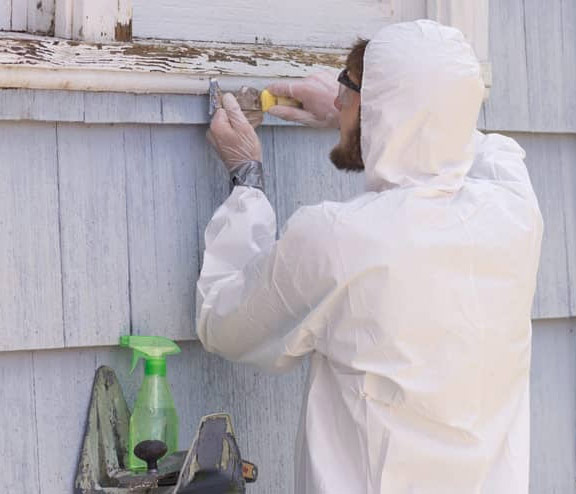
Adhering to regulative conformity is paramount in the successful execution of lead contamination cleaning. Understanding and adhering to federal, state, and regional regulations guarantees not just the safety and wellness of people yet additionally the legal and financial wellness of the cleaning company. The Environmental Protection Company (EPA) sets rigorous criteria, such as the Lead Improvement, Fixing, and Painting (RRP) Policy, which mandates correct certification and training for professionals handling lead-based activities.
Compliance begins with a complete assessment of appropriate legislations and policies. Organizations has to stay updated on any type of legislative changes, Check Out Your URL which can be helped with through routine training sessions and subscribing to industry updates. Paperwork is another essential conformity facet; preserving comprehensive documents of all activities, including evaluation reports, employee training logs, and disposal shows up, is necessary.
In addition, engaging with certified lead inspectors or take the chance of assessors ensures that lead dangers are properly recognized and alleviated. Companies should apply the use of Personal Safety Devices (PPE) and make certain that security protocols are purely complied with. Finally, transparent interaction with stakeholders, consisting of employees, clients, and governing bodies, will certainly promote a society of conformity and liability, ultimately adding to a more secure and more reliable lead clean-up procedure.
Conclusion
Reliable lead violation cleaning necessitates the combination of specialized devices and calculated methodologies to ensure safety and efficacy. Individual safety devices (PPE) safeguards workers from exposure, while risk-free disposal techniques and rigorous adherence to regulatory compliance are necessary for sensibly taking care of unsafe waste.
Comments on “Relied On Lead Paint Removal Company-- NYC's Premier Lead Abatement Service”